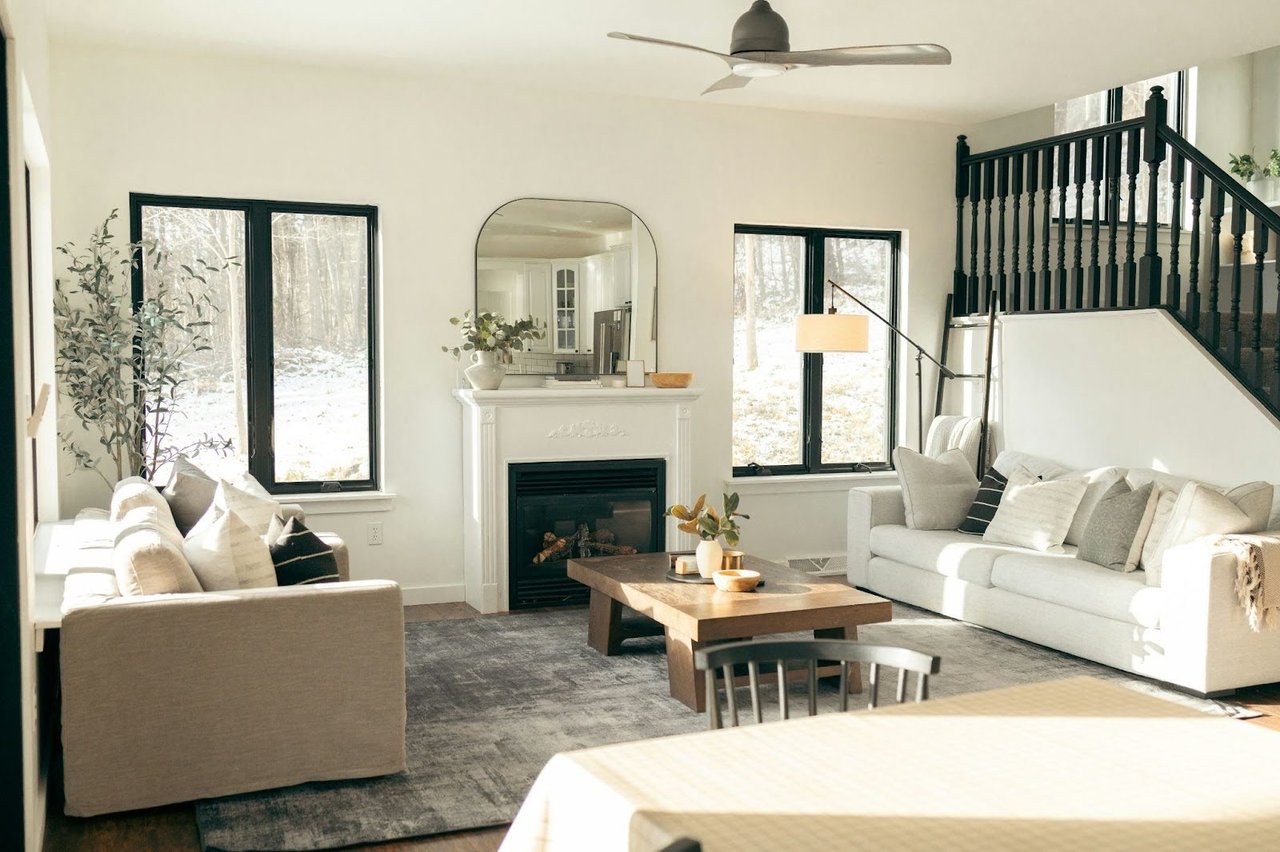
If you’re considering selling your house anywhere in Grand Traverse County — from downtown Traverse City to the Old Mission Peninsula, or the beaches along Grand Traverse Bay — you’ve found the right place. We’ve guided dozens of local homeowners through successful sales, and we know what it takes to get top value while minimizing stress.
This guide walks you through every major step — from preparing your property to closing the deal — with insights tailored specifically to Grand Traverse County living.
Key Takeaways
-
Proper preparation and staging often yield the biggest return on selling a house.
-
Timing your sale with local demand — especially around spring and early summer — can significantly affect interest and offers. National data from Bankrate shows homes listed in May and June sell faster and for more, aligning with Grand Traverse County’s seasonal trends.
-
Accurately pricing relative to local comparables ensures realistic expectations and smoother negotiations.
-
A knowledgeable local agent helps navigate Grand Traverse County-specific nuances — from zoning regulations to waterfront property considerations.
Why Local Knowledge Matters in Grand Traverse County
Selling a house in Grand Traverse County isn’t just like selling anywhere else. Our region has unique features — lakes, vacation homes, seasonal traffic — that directly impact buyer behavior. Understanding these elements is key to getting the best outcome.
What Makes Grand Traverse County Unique
-
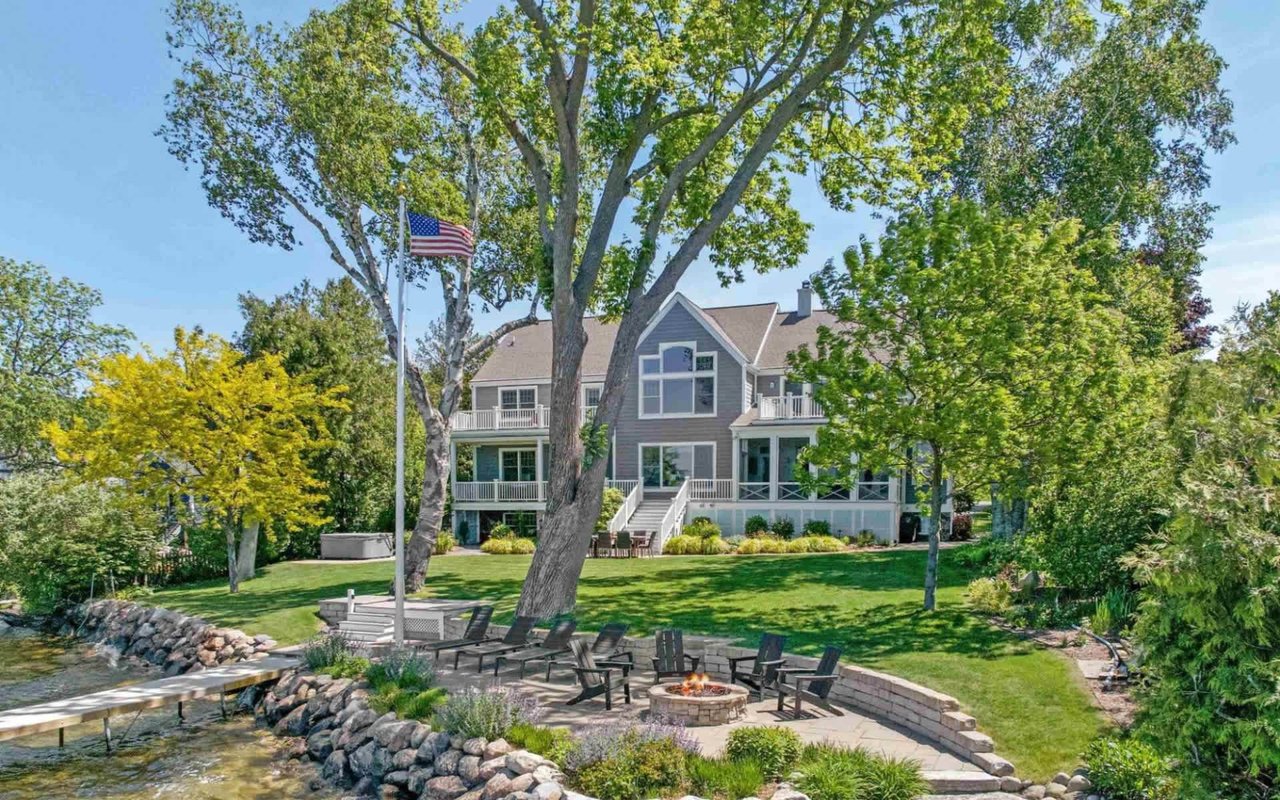
Lake and Waterfront Appeal: Properties on East and West Grand Traverse Bay, Boardman Lake, or inland lakes like Long Lake, Lake Leelanau, and Spider Lake tend to draw strong interest from both permanent residents and seasonal buyers.
-
Vacation‑Home Demand: Many buyers are out-of-state investors, second-home seekers, or retirees. They often look for well-maintained homes with easy access to beaches, trails, wineries, and downtown amenities.
-
Seasonal Buyer Patterns: Buyers often visit during spring, summer, and early fall, when the weather is inviting and outdoor amenities are most attractive.
-
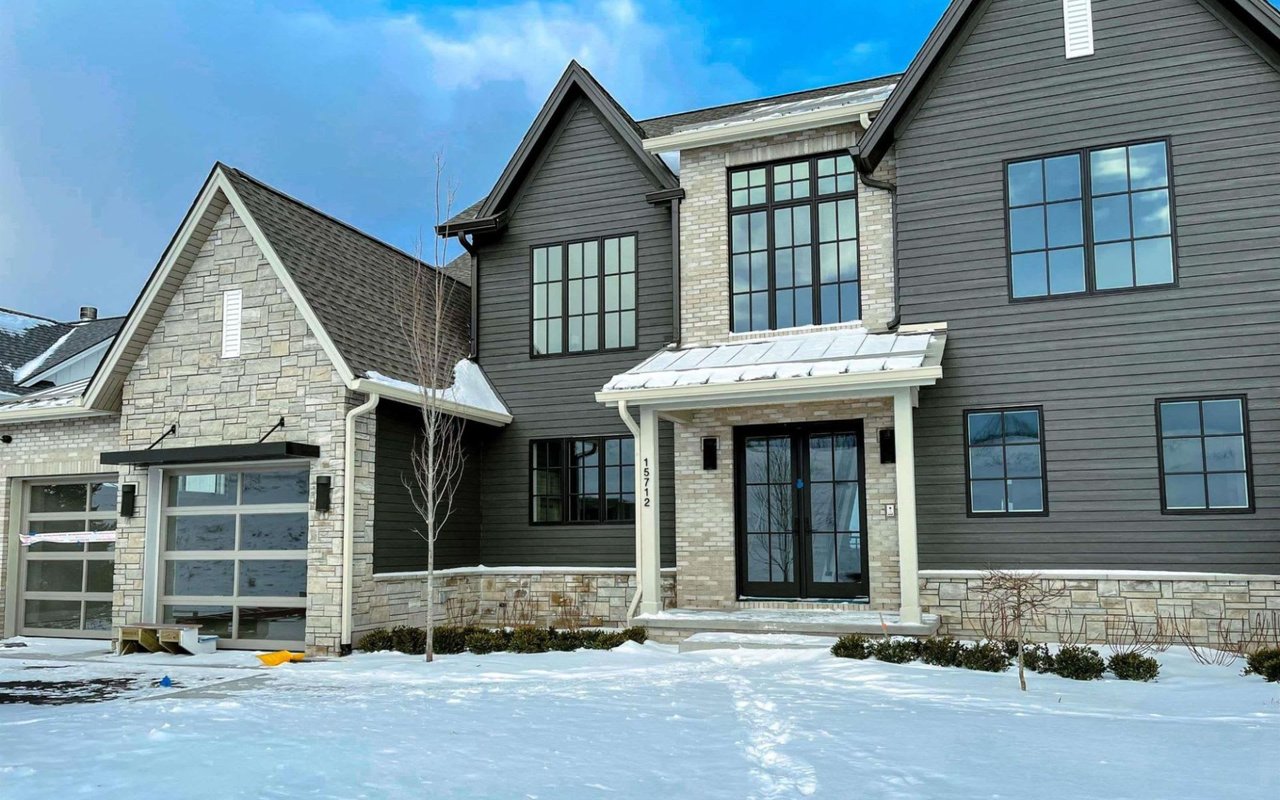
Mixed Market Types: Grand Traverse County has old town homes, newly built subdivisions, historic houses, and luxury waterfront estates — each with different buyer expectations and pricing dynamics.
Because of all that, selling here successfully requires a personalized approach — not a “one-size-fits-all.” Here’s how we recommend you proceed.
Step 1: Prepare Your Home — First Impressions Matter
To attract serious buyers and stand out in Grand Traverse County’s active market, preparation is your foundation.
What to Do Before Listing
-
Deep clean your home from top to bottom. Declutter closets, garages, and storage spaces.
-
Make minor repairs: fix leaky faucets, patch holes, replace broken fixtures, and update lighting. A well-maintained home inspires buyer confidence.
-
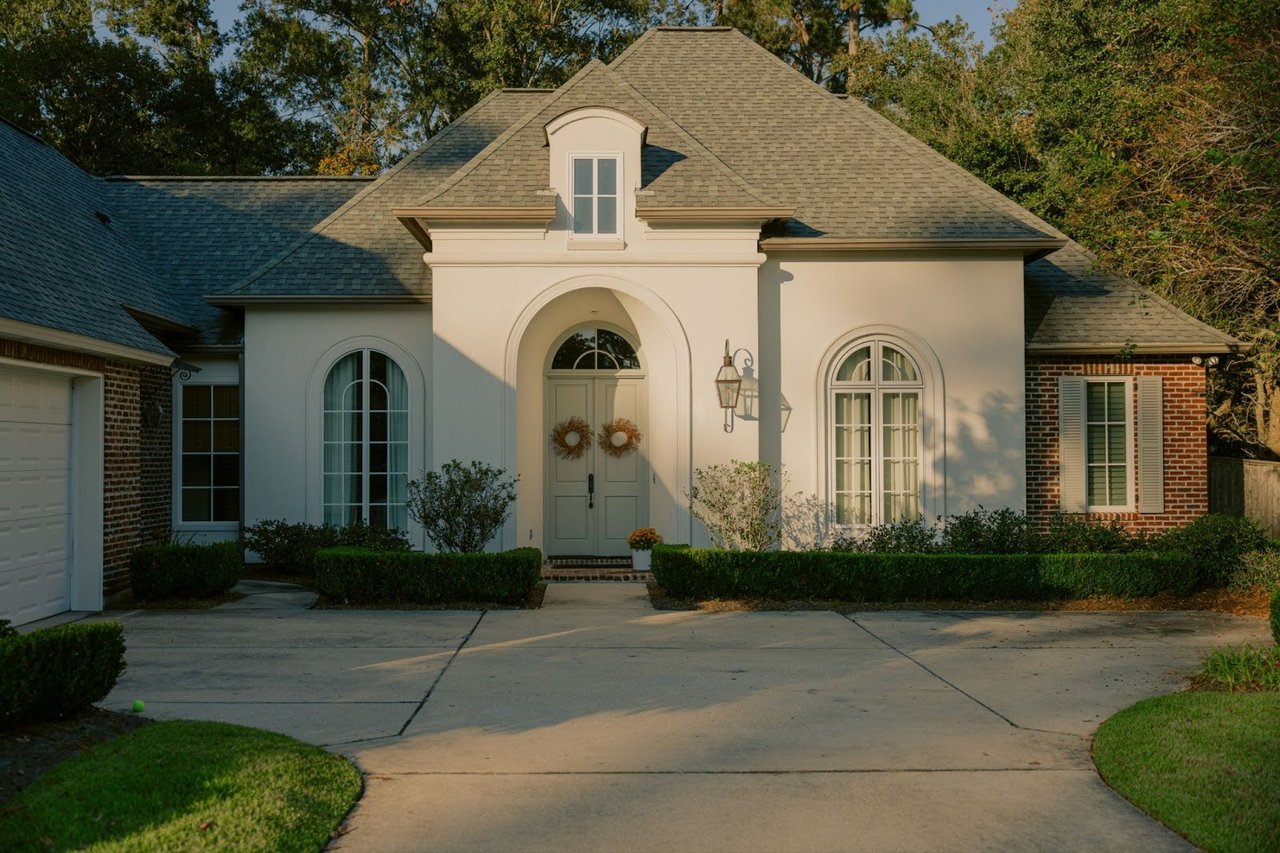
Enhance curb appeal. In spring or summer, tidy landscaping, mow lawns, prune shrubs, and add fresh mulch or potted plants. If you’re near the lake or have water views, clean decks or docks.
-
Stage interior rooms to show space and functionality — especially in mid-size homes or older properties. Neutral décor, good lighting, and a clear room purpose help buyers envision themselves living there.
-
For waterfront or lake‑access homes, ensure docks, piers, or shoreline areas are safe, clean, and compliant with local regulations.
Proper preparation often reduces time on market and can even drive up final sale price, because buyers perceive the property as “move‑in ready.”
Step 2: Price Smart — Use Local Comparables, Not National Benchmarks
Pricing is one of the most critical decisions in the selling process. The goal is to attract attention early while reflecting true market value.
How We Approach Pricing
-
Analyze recently sold properties in your specific neighborhood — whether it’s downtown Traverse City, Peninsula Township, Acme Township, or near Lakeside.
-
Adjust for unique features such as lake access, views, lot size, updates, and condition.
-
Evaluate current inventory and competition within your home’s price range.
-
Factor in seasonal demand, especially for vacation and lake-access properties.
Accurate, market-driven pricing often leads to stronger initial interest and fewer price reductions later.
Step 3: Choose the Right Time to List
Timing plays a meaningful role in how much interest your home attracts and how competitive the sale becomes. While no two years are identical, national housing data consistently shows clear seasonal patterns, and those trends tend to align closely with what we see in Grand Traverse County.
According to data from the Federal Reserve Bank of St. Louis (FRED), median home sale prices nationally tend to peak in early summer. For instance, in June 2024, median sale prices reached approximately $426,900 before declining steadily toward the winter months. Redfin data shows a similar pattern in buyer behavior, with the percentage of homes selling above list price peaking in June 2024 at around 35%.
In Grand Traverse County, where seasonal travel, second-home demand, and lifestyle-driven purchases are common, these patterns are often even more pronounced.
When to List for Optimal Results
-
Late April through early June: This window often brings the strongest combination of buyer activity and pricing power. Families planning summer moves and vacation-home buyers begin searching in earnest, creating early competition.
-
June and July: Peak season for lake-access and lifestyle-driven properties. Homes near water, beaches, trails, and downtown amenities tend to show especially well when outdoor living is at its best.
-
Late August to early October: A secondary opportunity that often attracts motivated buyers who missed earlier listings or are planning relocations before winter.
-
Off‑season (late fall through winter): While buyer volume is lower, off-season listings can still succeed with realistic pricing and the right presentation. Highlighting winter comfort, energy efficiency, and ease of maintenance can appeal to serious long-term buyers and relocators.
Ultimately, the best timing depends on your priorities; whether that’s maximizing price, selling quickly, or targeting a specific type of buyer. We tailor listing strategies around your goals while keeping seasonal market behavior firmly in mind.
Step 4: Market Effectively — Showcase What Makes Grand Traverse County Special
Your marketing strategy should highlight your home’s unique advantages — especially what local buyers covet.
Key Marketing Moves That Pay Off
-
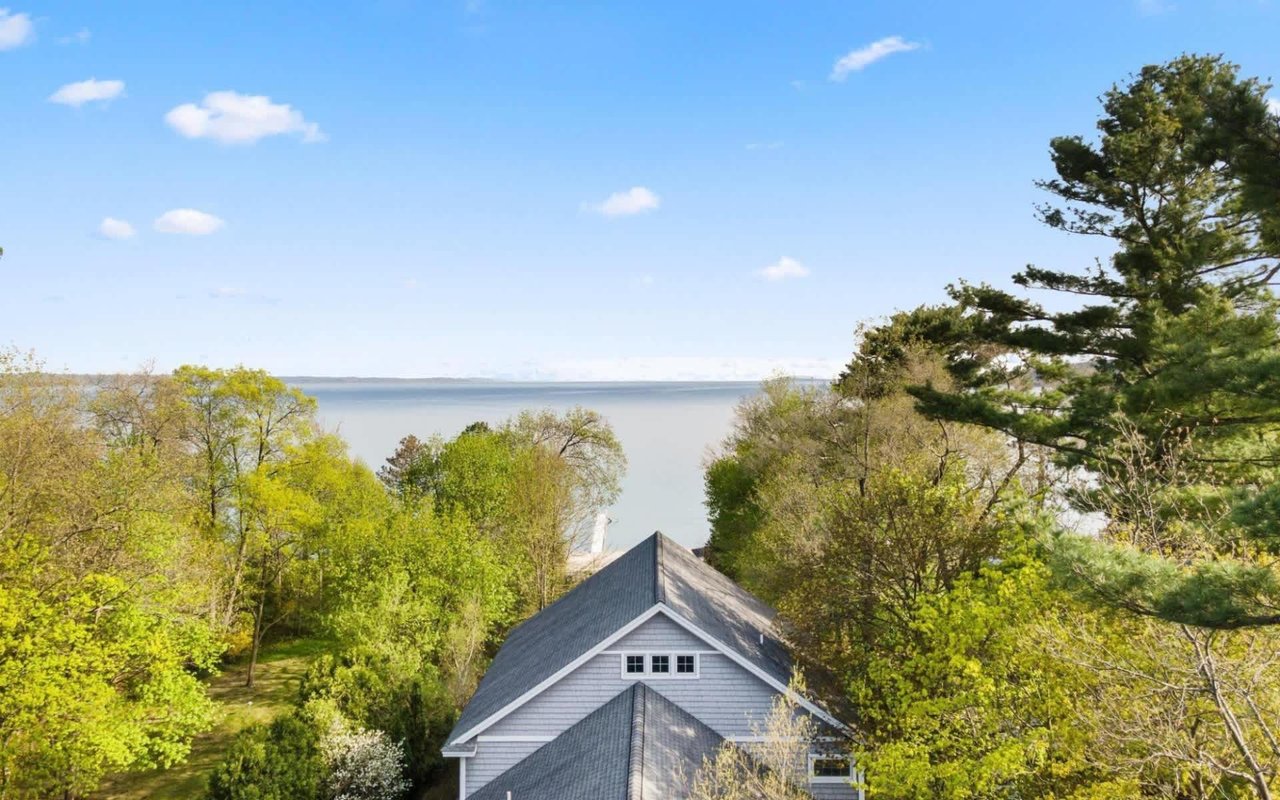
Professional photography: Use high-quality photography and, if appropriate, drone or waterfront shots to show off lake views, wooded lots, or proximity to trails, beaches, and amenities.
-
Staging: Create a staging plan that matches buyer expectations — for lake homes, show summer living (e.g., patios, decks, dock access); for family homes, emphasize school district proximity, yard space, and community amenities.
-
Thoughtful listing descriptions: Write a listing description that emphasizes lifestyle: mention nearby lakes, beaches, downtown Traverse City, wineries on Old Mission Peninsula, access to Western Bayshore Trail, etc.
-
Broad exposure: Market to both local buyers and out-of-town seekers: syndicate the listing across local MLS, vacation-home networks, and national platforms to attract seasonal residents, retirees, and remote workers.
-
Flexible showings: Offer flexible showing options, including virtual tours — especially useful for out-of-state buyers or winter-time showings when travel is harder.
Step 5: Navigate Inspections, Negotiations, and Paperwork
Selling a house in Grand Traverse County comes with some extra layers: waterfront regulations, septic systems, winter maintenance considerations, and (for some properties) vacation-home logistics. Having an experienced agent helps smooth the process by keeping details organized and timelines on track.
Even when a deal is solid, contract delays can happen. Recent industry data shows that 6% of contracts were delayed due to appraisal issues—a helpful reminder to plan for timing flexibility and strong documentation, especially when pricing, condition, or unique features could affect valuation.
What to Watch During the Sale Process
-
Waterfront & lake-view homes: Handle inspections and disclosures early for docks, shoreline access, permits, and water-related utilities.
-
Seasonal factors: Be prepared for snow removal expectations, heating systems, and winter access/maintenance if closing occurs in colder months.
-
Offer review: Look beyond price—evaluate closing timeline, contingencies (financing, inspections), and buyer readiness (local vs. out-of-area).
-
Local expertise matters: Work with professionals familiar with township requirements, tax considerations, septic/well realities, and any transfer nuances for second homes.
Clear communication, realistic expectations, and proactive preparation often lead to smooth negotiations and fewer delays.
Step 6: Closing and Move-Out — Plan for a Smooth Transition
Once you accept an offer, it’s time to think about the final steps — and moving out.
Steps to Ensure a Clean, Efficient Closing
-
Confirm that all contingencies are satisfied, including completed inspections, agreed-upon repairs, and signed disclosures.
-
Coordinate timing with the buyer—especially important for vacation properties or closings that coincide with seasonal preparation or harsh weather.
-
Complete a final walk-through and ensure the home is clean, utilities are scheduled for transfer, and any staging items are removed.
-
Plan move-out and arrival timelines carefully if you’re buying elsewhere, factoring in winter conditions, lake-access considerations, or second-home logistics.
With experienced support and a clear timeline, closing can be smooth and stress-free — even in Grand Traverse County’s seasonal market.
FAQs
How far in advance should I start preparing my home for sale?
We recommend starting 3–4 months ahead, allowing time for repairs, staging, landscaping, and listing prep before peak buyer activity.
Does a waterfront home always sell faster or for more?
Not always, but properly maintained and well‑priced waterfront or lake‑access homes often attract high interest because of the lifestyle appeal unique to Grand Traverse County.
What if I need to sell in the off‑season (fall or winter)?
You can still succeed. Off‑season listings tend to face less competition. Focus on cozy interiors, winter maintenance readiness, realistic pricing, and marketing to motivated buyers (relocators, retirees, remote workers).
Selling in Grand Traverse County Starts With the Right Plan
Selling a home in Grand Traverse County is about more than choosing a list price or timing the market; it’s about understanding local buyer behavior, seasonal patterns, and how your home fits into the broader lifestyle people are seeking here. With the right preparation, pricing, and guidance, the process can feel far more manageable and far less stressful.
At Brick & Corbett, we take a thoughtful, step-by-step approach tailored to your home and your goals. Whether you’re planning ahead or ready to list, we’re here to help you make informed decisions and move forward with confidence.
If you’re considering selling and want a clear, honest perspective on what to expect, reach out anytime. We’d be glad to talk through your options and help you build a plan that works for you.