Northern Michigan Real Estate Investing
Torch Lake Short-Term Rentals: What Homeowners & Investors Need to Know
By Brick & Corbett Real Estate. Navigating township zoning ordinances, STR permit bans, VRBO regulations, and Michigan use taxes in Antrim County.
Torch Lake STR Regulations Summary
Operating a short-term rental (STR) on Torch Lake requires strict adherence to Antrim County township zoning. Crucially, Torch Lake Township bans short-term rentals (stays under 30 days) in all R-1, R-2, and R-3 residential zones. However, neighboring jurisdictions like Banks Township and Helena Township legally permit short-term rentals. Investors must also register with the Michigan Department of Treasury to remit the mandatory 6% State Use Tax (which Airbnb remits automatically, but VRBO does not).
Seeking an STR-Eligible Waterfront Property?
Navigate Township Borders & STR Caps with Brick & Corbett
Because a single lake is governed by multiple townships, a property on the north shore may be a legal Airbnb, while a home one mile south is prohibited from renting. Let our team map your investment search properly.
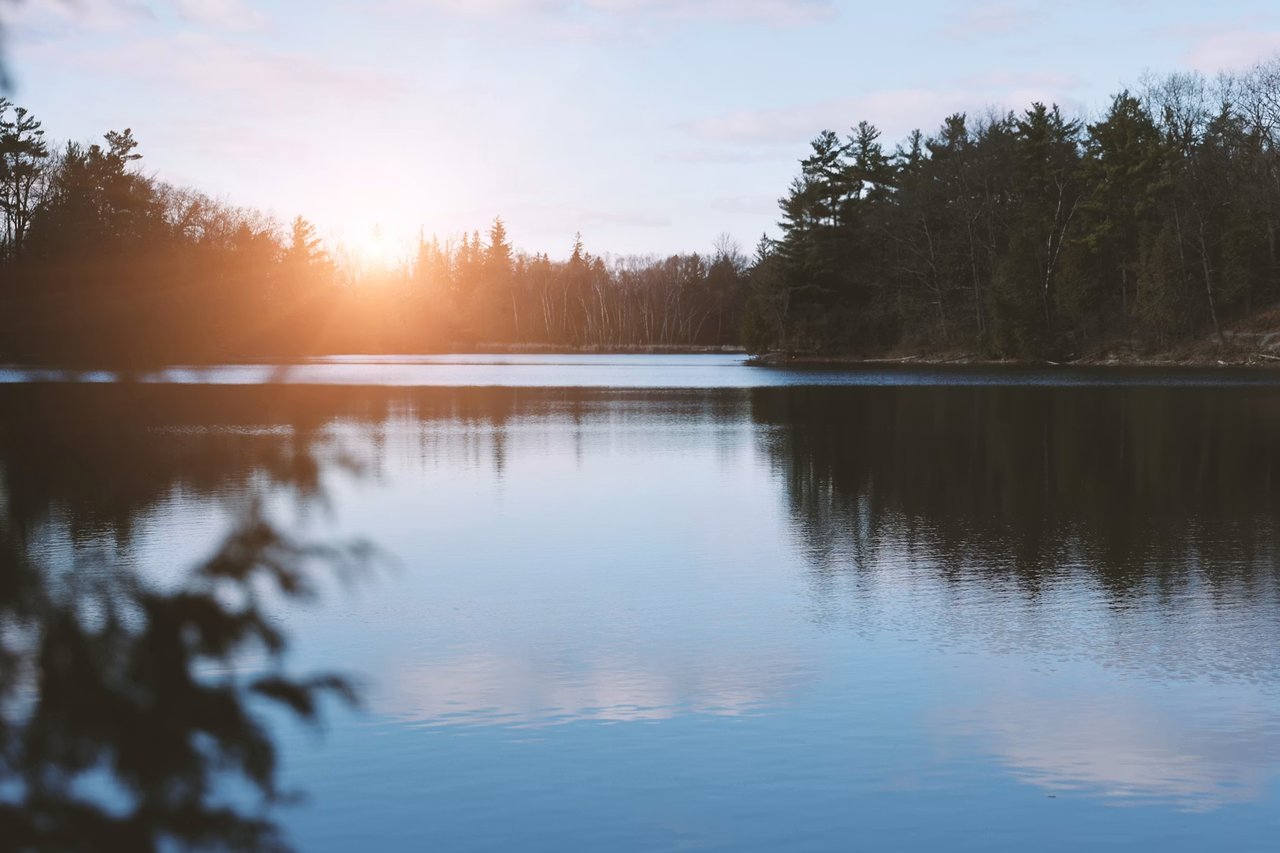
Torch Lake is routinely cited as one of the most beautiful lakes in the world, and its Caribbean-blue water draws Midwest visitors in numbers that make the demand for rentals intensely real. The logical assumption for any homeowner on those shores is that listing on Airbnb or VRBO will generate meaningful income during the peak weeks of July and August.
The reality is more complicated—and vastly more consequential for anyone purchasing with rental income in mind. This guide explains the regulatory landscape.
Antrim County & Torch Lake STR Ordinance Matrix
A comparative breakdown of short-term rental (STR) legal statuses across the primary townships bordering Torch Lake and the Chain of Lakes.
Township / Jurisdiction | STR Permit Status | Zoning Rules & Limitations | Septic & Safety Requirements | Real Estate Outlook |
|---|---|---|---|---|
Torch Lake Township | Prohibited | Banned in R-1, R-2, and R-3 zones since July 2014. Only permitted in PUDs. | Not applicable due to residential ban. | Value driven purely by primary/second-home end users. |
Banks Township | Permitted | Legal via June 2020 ordinance in all single-family dwellings. | Requires health department septic compliance. | High demand for STR-eligible north-end properties. |
Helena Township | Permitted by Right | Approved by right in R-1 and R-2 residential districts. | Standard code and septic inspections apply. | Prime location for Alden-area investor acquisitions. |
Forest Home Township | Highly Restricted | Permitted only as owner-occupied Bed & Breakfasts. Unhosted STRs illegal. | Strict commercial B&B life-safety codes. | Not viable for traditional remote Airbnb investors. |
Village of Elk Rapids | Capped & Waitlisted | Ordinance 502 limits density. Max occupancy generally 10 guests. | Mandatory inspections. Priority to local residents. | Extremely tight market; acquiring a permit takes time. |
What Torch Lake Township Actually Prohibits
The Torch Lake Township Zoning Ordinance is unambiguous: short-term rentals are not permitted uses in the R-1, R-2, or R-3 residential zoning districts. That ban has been on the books since July 2014, and the irony that a lakefront market of this caliber carries a ban predating the mainstream growth of Airbnb and VRBO is not lost on buyers who discover it after making an offer.
- Prohibited in residential zones: R-1, R-2, and R-3 cover the vast majority of lakefront properties in Torch Lake Township; a Torch Lake Airbnb listing in those zones is a zoning violation, not a permitted use.
- Definition threshold: The ordinance defines a short-term rental as any stay of fewer than 30 consecutive days, regardless of renter count within any 30-day period.
- Enforcement posture: Neighboring townships have added active scanning software to identify unlicensed listings, and the regulatory trend across the region is toward tighter enforcement, not looser.
The Adjacent Township Landscape
The picture is meaningfully different in other parts of Antrim County, and property owners committed to a short-term rental model have options worth understanding. Properties on connected or nearby lakes in Banks or Helena townships operate under an entirely different legal framework than a Torch Lake Township residential parcel.
Banks & Helena Townships (Permitted)
Banks Township approved a Short Term Rental Ordinance at its June 2020 board meeting that makes STRs a permitted use within any single-family dwelling in all zoning districts.
Helena Township short-term vacation rentals are permitted by right in R-1 and R-2 residential districts, providing a straightforward framework for buyers whose property falls within that jurisdiction.
Elk Rapids & Forest Home (Restricted)
Village of Elk Rapids licensing is governed by Ordinance 502, with priority registration for village residents, a waiting-list structure once the cap is reached, and maximum occupancy generally capped at 10 guests.
Forest Home Township rentals are permitted only for owner-occupied dwellings operating as bed and breakfasts. Unhosted short-term rentals do not have the same standing.
Michigan Tax Obligations Every STR Owner Must Know
For owners operating in adjacent townships or considering the 30-day-or-longer model, Michigan's tax framework requires compliance steps that differ from what many out-of-state owners expect.
Michigan 6% State Use Tax
Applies to every stay under 30 days statewide. Airbnb collects and remits it automatically, VRBO does not, and direct bookings are entirely the owner's responsibility to collect and remit.
Treasury Registration
Owners must register with the Michigan Department of Treasury before collecting any rental payments; operating unregistered can result in back taxes and severe financial penalties.
Federal 14-Day Rule
For any short-term rental operating in a permitted jurisdiction, rental income from properties rented 14 days or fewer is not subject to federal income tax reporting under IRS guidelines.
About Brick & Corbett Real Estate
Brick & Corbett is a top-producing Northern Michigan real estate team specializing in luxury waterfront properties, acreage, and residential estates across Torch Lake, Grand Traverse Bay, Old Mission Peninsula, and Leelanau County.
Compliance Advisory: Brick & Corbett agents guide clients through Antrim County riparian law, dock permitting guidelines, and the precise boundaries defining short-term rental township ordinances.
Related Northern Michigan Waterfront Resources
Frequently Asked Questions
Can I list my Torch Lake Township property on Airbnb legally?
No. Torch Lake short-term rentals (stays under 30 days) are strictly prohibited in R-1, R-2, and R-3 residential zones under a Torch Lake Township zoning ordinance that has been in effect since July 2014.
Are there any townships near Torch Lake where short-term rentals are permitted?
Yes. Banks Township permits short-term rentals in all zoning districts via their June 2020 ordinance, and Helena Township permits them by right in R-1 and R-2 residential districts.
Does Airbnb collect Michigan's lodging tax automatically?
Airbnb collects and remits the 6% Michigan State Use Tax for platform bookings. However, VRBO does not automatically collect this, and direct bookings require the owner to remit taxes independently to the Michigan Department of Treasury.
Can I operate a short-term rental in the Village of Elk Rapids?
Yes, but it requires a license governed by Ordinance 502, which operates under strict density caps, waitlists for non-residents, and an occupancy limit generally capped at 10 guests per property.
Know the Rules Before You Fall in Love With the Lake
The short-term rental landscape around Torch Lake is one of the most misunderstood aspects of buying here. Before any offer is written, connect with Brick & Corbett to ensure your goals align with zoning.